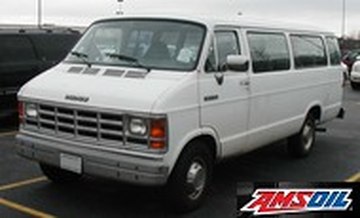
Maintenance and Lubrication for the 1982 Dodge Trucks B350 VAN 5.2L
Maintaining a large vehicle like the 1982 Dodge Trucks B350 VAN requires a disciplined approach to routine service. With the 5.2L engine at the heart of this application, consistent attention to lubrication and fluid health is essential for long-term operation. Because these vehicles are often utilized for significant hauling or transport tasks, the mechanical components are subject to varying levels of stress, making regular inspections even more vital.
Monitoring Fluid Integrity and Engine Health
One of the most effective ways to monitor the condition of an engine is through frequent observation of its fluids. For the 5.2L engine in this B350 VAN, checking the oil level and appearance should be a standard part of any service routine. When inspecting the lubricant, look for changes in color or consistency that might indicate issues. While many factors can influence fluid appearance, significant darkening or a gritty texture warrants closer investigation.
It is also important to watch for signs of external leakage. Inspecting the area around the engine for any evidence of seepage can help identify aging gaskets or seals before they become more significant concerns. If you notice oil accumulating on the underside of the vehicle or on engine components, it may indicate that a seal is no longer providing an effective barrier. Addressing these small signs early can prevent larger maintenance requirements later.
Beyond just checking levels, pay attention to how the engine behaves during operation. Any unusual mechanical noises or changes in performance can be associated with various lubrication or mechanical factors. If you observe any unexpected smoke from the exhaust or notice a sudden increase in lubricant consumption, these symptoms should be investigated by a professional to determine the underlying cause.
Prioritizing Service Based on Current Condition
When managing an older vehicle, it is often more practical to prioritize maintenance based on the actual condition of the components rather than relying solely on the age of the vehicle. For a 1982 Dodge Trucks B350 VAN, this means looking at how parts are performing in their current environment. If you do not have a complete service history for the vehicle, establishing a maintenance baseline is a wise first step.
To establish this baseline, perform a comprehensive inspection of all major service points. This includes checking the condition of accessible belts and hoses, if present, for signs of cracking, glazing, or deterioration. If equipped, inspect electrical connections and wiring for any evidence of fraying or corrosion. By documenting the current state of these components, you can create a personalized maintenance schedule that addresses the most immediate needs first.
If you discover active leaks or find that certain service intervals have been missed, address those items before moving on to purely preventive tasks. This approach ensures that your maintenance efforts are focused where they will provide the most benefit to the vehicle's continued operation. Keeping a detailed log of all completed repairs, fluid changes, and observed conditions will assist in making informed decisions as the vehicle continues to age.
Managing Aging Components and Seals
As vehicles age, the materials used in various seals and gaskets can undergo changes due to heat cycles and time. In the 1982 Dodge Trucks B350 VAN, it is beneficial to perform regular visual inspections of sealing surfaces. While many components are designed for longevity, the gradual degradation of rubber or composite materials can lead to seepage.
When conducting these inspections, look specifically for dampness around engine junctions and connection points. It is important to distinguish between minor surface seepage and active leaks that result in fluid loss. If you notice significant weeping from a seal, it may be necessary to plan for a replacement to maintain proper lubrication levels within the system. Additionally, if the vehicle has been sitting for extended periods, checking the condition of all fluids—not just engine oil—is a prudent step before regular use.
The Role of Lubrication in Engine Longevity
Engine oil performs several critical roles that are necessary for the smooth operation of the 5.2L engine. Beyond simply reducing friction between moving parts, the lubricant helps to manage heat by carrying thermal energy away from high-temperature areas. It also serves as a medium to suspend and transport contaminants, preventing them from settling and forming deposits within the engine.
Maintaining clean and fresh oil is one of the most effective ways to protect these internal processes. Over time, even high-quality lubricants can lose their ability to effectively manage heat or resist oxidation. Regular changes ensure that the additives designed to control sludge and maintain chemical stability remain at effective concentrations. This consistent upkeep helps prevent the buildup of deposits that can interfere with the mechanical efficiency of the engine.
Practical Steps for Long-Term Ownership
Successful long-term ownership of a 1982 Dodge Trucks B350 VAN involves moving from reactive repairs to proactive maintenance. One of the best ways to achieve this is by reviewing any available service records to understand what has already been addressed. If no records exist, your initial thorough inspection becomes the foundation for all future care.
Focus on monitoring changes in how the vehicle operates. For example, if you notice that the engine requires more frequent oil top-offs than it did previously, this change in consumption is a signal to investigate further. Similarly, observing the condition of cooling system components and electrical connectors can prevent unexpected downtime. By staying observant and keeping detailed records, you can distinguish between necessary repairs and unnecessary parts replacement, ensuring your maintenance budget is used effectively.
Buying Engine Oil for your 1982 Dodge Trucks B350 VAN 5.2L
When it is time to replenish the lubricant in your engine, ensure that you are selecting a product that aligns with the specific requirements of your application. To ensure accuracy, match the engine oil to the vehicle-specific viscosity and application information already displayed on this webpage.
While choosing between different formulations, consider the following practical tips:
- Check Product Labels: Always verify that the oil you are purchasing meets the appropriate API certification standards for your needs.
- Evaluate Formulations: Depending on your specific engine condition and usage, you may choose between conventional, synthetic blends, or full synthetic oils. Some high-mileage formulations contain additives intended for use in aging engines, including seal-conditioning additives that may be useful for older applications.
- Verify Compatibility: Avoid making assumptions based solely on the age of the vehicle; always refer back to the application-specific data provided here to ensure the correct grade is used.
By following the specific guidance provided in the application information above, you can select a lubricant that supports the continued health and performance of your 5.2L engine.